
Kent, England · 1928 – 2015
For Nana — Margaret Bennett
"The garden still smells of you, especially in early spring."
— William, Canterbury
"A candle lit in memory is a page kept open. Here we hold the names of those who shaped us — respectfully, permanently, together."
Living tributes for those we have lost — obituaries, remembrances and small candles kept alive by family and community, one page at a time.
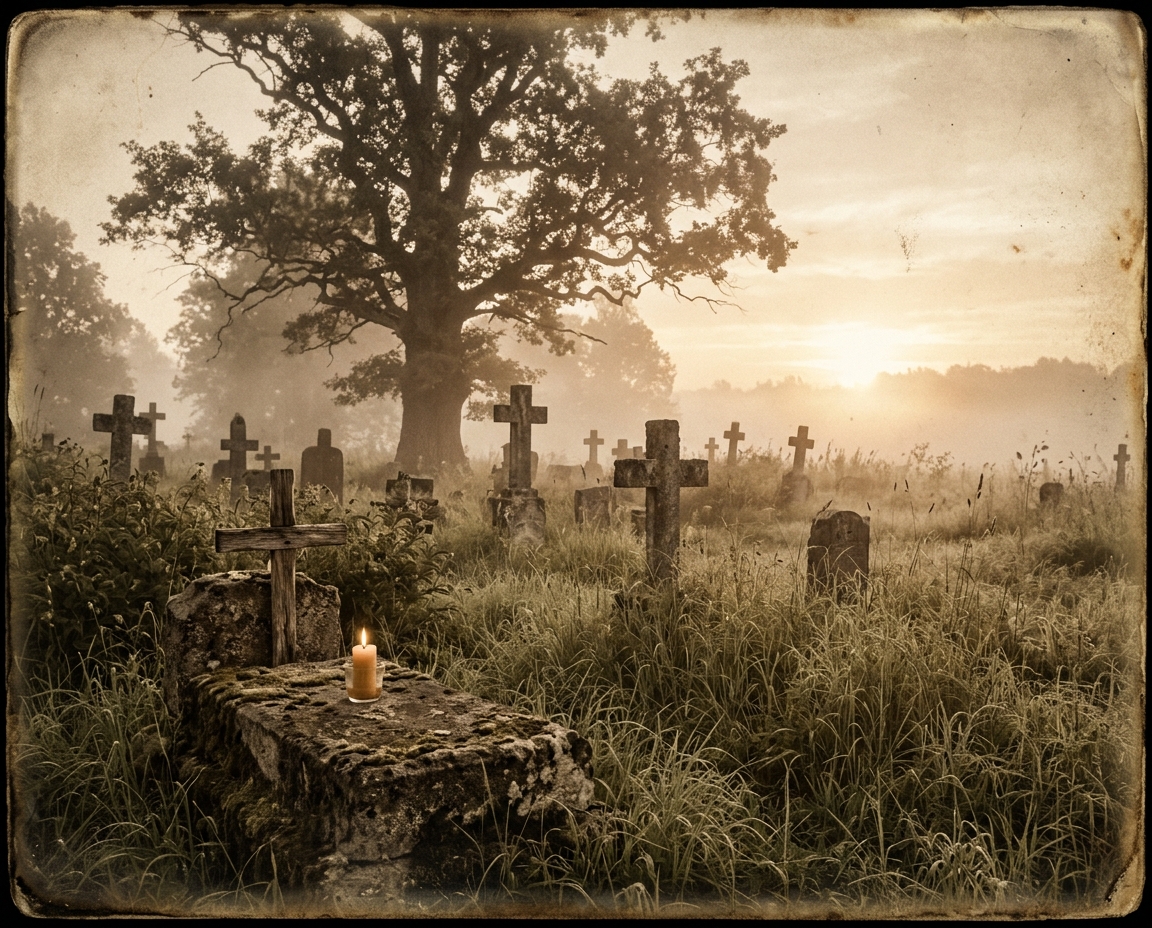
"The garden still smells of you, especially in early spring."
"Your record collection is still turning. Every song remembers you."
"Your handwritten letters live on in our family group chat — three generations, one voice."
Grief is not a project you complete. It is a rhythm you learn to live inside. This is an editorial about the small, useful rituals of remembrance — how to write an obituary, how to hold an anniversary, and how to give a life the shape of a tribute.

A memorial page is not a headstone, and it is not a status update. It is the room a family opens for a person after their body has been laid to rest — a room that stays warm even when nobody is inside. Anyone in the family can walk in, light a candle, leave a sentence and walk out. The room outlasts the phone, the platform, and, we hope, the grief.
The best memorials do three things. They tell the truth of a life without varnishing it. They give the family a place to gather that is not a WhatsApp thread. And they let strangers — colleagues, students, neighbours — leave the sentence they couldn't say at the funeral.
"The only journey is the one within — but sometimes another's life makes the map."
A tribute is not a résumé. It is not a life reduced to its promotions and its degrees. The shape that works, over and over, is the following five-beat arc — short enough to be read at a funeral, long enough to hold a life.
A good tribute is a portrait, not a summary. Give it a scene. Give it a hand gesture. Give it a proper noun. The reader who never met them should be able to close their eyes and see them.
Newspapers are shrinking; obituaries have moved online. The manners, however, have not changed. A published notice is read by people who last saw the deceased forty years ago — a classmate, a first employer, a landlord's son. Write it for them, not for you.
Some families print full obituaries. Others prefer a short notice and let the memorial page carry the fuller story. Both are correct. What is not correct is silence: an obituary is a small courtesy to the people who once shared the world with the deceased and now have to learn it is missing them.
"Never bury a story with a person. Someone, somewhere, is still reading them."
Every tradition has its rite. The Catholic Mass on the month's mind. The Jewish yahrzeit candle on the eve of the Hebrew date. The Hindu shraddha on the tithi. The Muslim Isaal-e-Sawaab on the Friday nearest. The Buddhist merit-making on the 49th day. The West African libation on the annual gathering.
The rites are different; the instinct is the same. Once a year, the family agrees to stop, together, and say a name. On a memorial page you can set that day quietly and let the reminder arrive without fuss — a candle relit, a message added, a photo uploaded.
Grief does not have a shape. It has a texture. Some months you can name it and set it aside; some afternoons it walks in unannounced, past whatever door you have built. This is not a failure of composure. It is the ordinary weather of loving someone who is gone.
A memorial page is useful precisely because it can be visited quietly, without an audience. Light a candle on the six-month morning when nobody has called. Add a line to the guestbook when a stranger says something kind about your father. Small, unwitnessed acts of remembrance are the ones that carry us furthest.
"You will lose someone you can't live without, and your heart will be badly broken, and the bad news is that you never completely get over the loss. But this is also the good news."
Every person you add to your family archive can have a memorial page opened for them — before or after their passing. The page has three quiet features: a lit-candle grid where any member of the family can add a candle (and an optional whispered note); a guestbook where longer messages accumulate over the years; and a small portrait framed the way a vintage photograph would be.
Memorial pages are private to the family archive by default. A member with the right role can make one public if the family wishes to invite classmates, colleagues and readers to leave their own remembrance.